
Lexi Farley

Why Crypto Investors Are Moving into Prime Real Estate

For years, crypto investors chased speed. Fast gains. Fast losses. And fast-moving markets that never slept. But lately, a shift is underway. Many of those same investors are moving capital into prime real estate, often studying materials like the Pinery Residences brochure as they evaluate long-term value. Not as a replacement for crypto, but as a counterweight. This isn’t about abandoning digital assets. It’s about balance. And stability.

Volatility Changes How Wealth Thinks

Crypto created a new class of high-net-worth individuals almost overnight. Some built fortunes during bull runs. Others learned hard lessons during crashes. Over time, one thing became clear: volatility cuts both ways. Prime real estate offers something crypto cannot. Predictability.
High-quality property in global cities doesn’t move on headlines or tweets. Prices may rise or fall, but rarely overnight. For investors used to 30 percent swings in a week, that matters. Real estate smooths the curve. It anchors wealth. And once investors reach a certain level, preserving capital often becomes more important than quickly multiplying it.

Digital Wealth Wants Physical Form

There’s also a psychological shift at play. Crypto wealth is abstract. Wallets, keys, exchanges. Numbers on a screen. For many investors, converting some of that value into something tangible feels like progress. Property is visible. It can be lived in. Rented. Passed on.
Owning a prime apartment or villa makes wealth feel real in a way few digital assets can. That doesn’t mean crypto investors stop believing in blockchain. It means they want part of their success grounded in the physical world.

Prime Locations Still Matter

Not all real estate attracts crypto money. Investors aren’t buying randomly. They’re targeting prime locations with global appeal, strong legal systems, and deep demand.
Cities like Dubai, Miami, London, and Singapore continue to draw interest. These markets share a few traits. International buyers. Limited supply in top areas. And long-term demand is driven by business, lifestyle, and migration.
Crypto investors understand network effects. Prime cities operate the same way. Once established, they tend to reinforce their own value.

Inflation Protection Without Complexity

Many early crypto adopters were drawn to digital assets as a hedge against inflation. That logic hasn’t disappeared. But real estate offers a more familiar form of protection.
Rents tend to rise over time. Construction costs increase. Land remains scarce. All of this supports property values in inflationary environments.
Unlike complex DeFi strategies or yield farming, real estate income is easy to understand. Rent comes in. Expenses go out. The margin is clear. For investors who’ve spent years navigating smart contracts and protocol risk, that simplicity has appeal.

Liquidity Is No Longer the Only Goal

Crypto markets prize liquidity. Assets can be bought or sold instantly. But instant liquidity isn’t always a benefit. It can encourage emotional decisions.
Real estate forces patience. Transactions take time. That friction reduces impulsive moves. For seasoned investors, this is a feature, not a flaw.
Locking capital into property can protect wealth from overtrading. It creates a long-term mindset by default.

Lifestyle and Residency Incentives

Another factor driving this trend is lifestyle. Prime real estate often comes with residency or citizenship options. This is especially attractive to globally mobile investors.
Buying property can mean access. To a country. To better tax structures. To a preferred way of life.
For crypto investors who already operate beyond borders, real estate becomes part investment, part strategy.

Institutional Thinking Is Rubbing Off

As crypto matures, institutional players have entered the space. Hedge funds. Family offices. Asset managers. Their influence has changed how many investors think.
Institutions diversify by default. They spread risk across asset classes. Real estate has always played a role in that model.
Retail crypto investors who’ve grown their portfolios significantly often start thinking the same way. Not as traders, but as allocators of capital.

Not an Exit. A Rebalance.

It’s important to be clear. This isn’t a mass exit from crypto. Most investors moving into real estate are keeping exposure to digital assets. They still believe in long-term innovation. They’re just reducing concentration risk.
Prime real estate becomes the steady leg of a broader portfolio. Crypto remains the growth engine. Together, they serve different purposes.
That combination makes sense for a new generation of wealth. One born online, but increasingly rooted offline.

The Bigger Picture

Every new asset class goes through stages. Early adoption. Speculation. Excess. Then consolidation.
Crypto is entering that later phase. Investors are becoming more selective. More strategic. And more focused on longevity.
Prime real estate fits naturally into that evolution. It offers stability without sacrificing upside. Tangibility without killing flexibility. And a sense of permanence in a market defined by constant change.
For crypto investors thinking long-term, that balance is hard to ignore.
Posted by Lexi Farley in Crypto

SEO Tips for Cryptocurrency Websites

Cryptocurrencies are a response to the need for privacy in the digital economy. You can earn and buy cryptocurrencies without banks or other central authorities overseeing the process.
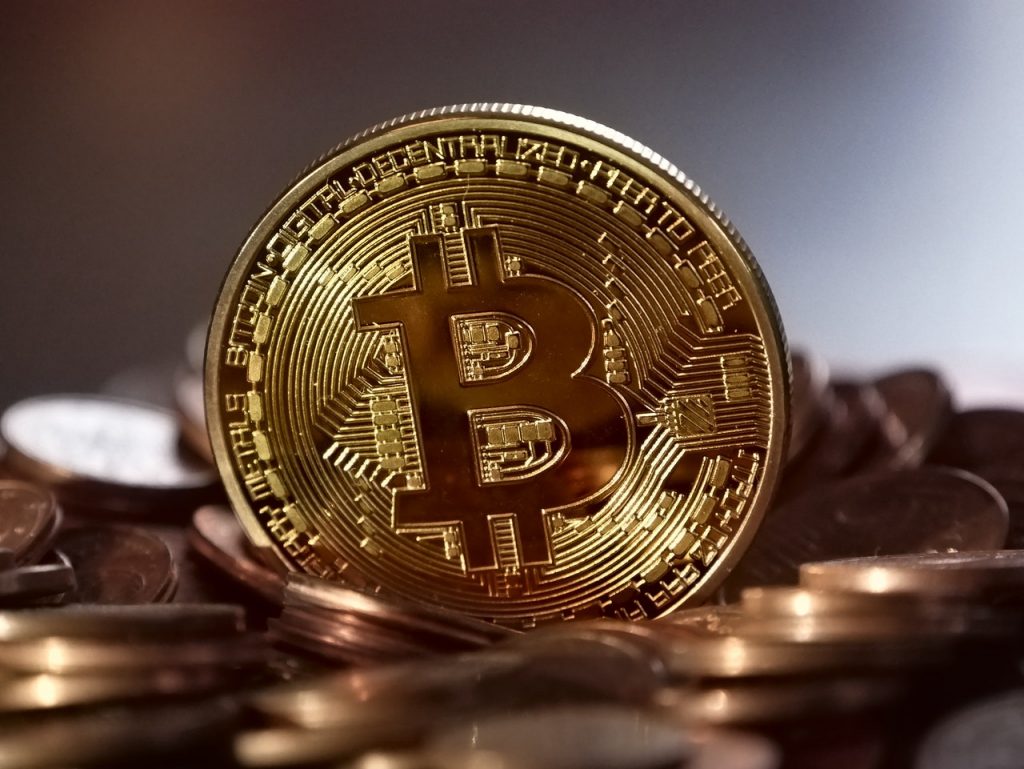
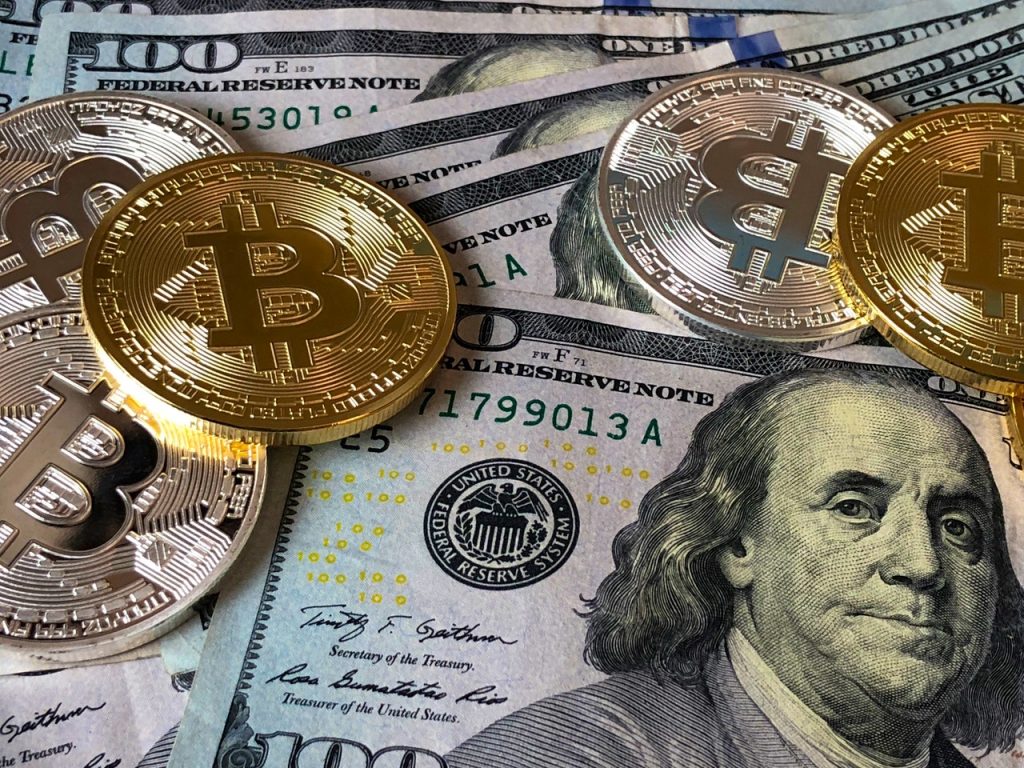
As this fast-growing open-source currency continues to grow in market capitalization, value, popularity, and demand, there is a growing need to use Phoenix SEO for cryptographic websites. SEO remains the same even as the nature of some of the components evolves. The core components or pillars of SEO that should be applied to encrypted websites are technical SEO and on-page and off-page SEO.

Cryptocurrency SEO helps you get more traffic from people in your crypto niche and increase customer growth, awareness, and platform sales. His effective SEO strategies for crypto businesses help market the company’s products and services to target the correct audience and drive real traffic to your site.

The value of cryptocurrencies is recognized as users flow to your site and are directed to your site through online searches. Cryptocurrency advertising offers many opportunities, increasing the need to incorporate his SEO crypto strategy into campaigns. Crypto SEO is a significant driver of cryptocurrency-related organic traffic and can help you grow your customers, increase sales, and increase referrals to your business website.

Conduct a keyword research

When it comes to her SEO optimization of cryptocurrency sites, the first step is to know the specific keywords of your target audience to search for your service on search engines like Google.

Optimize your content

Creating SEO content is the best way to customize your content to a quality that appeals to your target audience and search engines. An encrypted website’s SEO content marketing strategy should focus on creating and publishing relevant, high-quality encrypted website content using keywords relevant to your niche. 

Get backlinks

Link building provides an efficient solution for obtaining authority for encrypted websites. Create a backlink profile to increase your website’s visibility and get better rankings on search engine result pages (SERPs). This will also improve your SEO rankings resulting in higher traffic and sales.

Organize the site structure

An encrypted website should be very different from other websites. Additionally, visitors have little to no trouble identifying your site as a crypto site if it is organized and structured with cryptocurrency technical information. 

Therefore, when optimizing a page for SEO, considering the structure of the crypto website, the website will only appeal to the target audience.

Optimize page speed

The importance of page speed in ranking a website cannot be overemphasized. Statistics show that 53% of mobile website visitors abandon pages that take longer than 3 seconds to load. Web pages that load slowly are not only tiring and discouraging, but they also increase your bounce rate, but Google isn’t oblivious to this.

Posted by Lexi Farley in Crypto

4 Banks That Accept Bitcoin

Bitcoin


You might have wondered, “Which banks are Bitcoin-friendly?”, especially if you’re looking for ways to manage both your alternative and traditional currencies. Most US banks don’t allow customers to get or exchange any sort of cryptocurrency, although there are some US banks that allow you to get Bitcoins through your checking account. However, because the nation has recently passed new legislation about digital currencies, which may all be on the brink of change.

Why Don’t Most Banks Accept Bitcoin?

It is currently rather short the list of banks that are considered Bitcoin-friendly. In fact, a lot of the major US banks ban their clients from using their credit cards, ACH, or wire transfers to buy cryptocurrencies. Among these banks are Capital One and Bank of America.

Because Bitcoin prices are seen as volatile and unsecured, most US banks have made the choice to not offer cryptocurrency services. Bitcoin is both safer and more stable than most traditional currencies as opposed to the banks’ concerns about cryptocurrency price jumps and fraud risks are largely unfounded. The blockchain makes it very difficult for concealment or theft to occur, and also the finite amount of Bitcoins breathing effectively prevents money being “created” from nullity.

there was no federal guidance on how banks should handle cryptocurrencies, until very recently, so US banks’ fears are justified in some sense. The Office of the Comptroller of the Currency (OCC) regulates all national banks. If a bank violates the OCC’s regulations, it could potentially cause serious financial and reputational harm to its bank. Many banks haven’t engaged in alternative currencies out of fear that it’d put them in a quandary because the OCC has been relatively silent on the matter of cryptocurrencies.

The Latest Federal Legislation About Cryptocurrencies and Banks

The general attitude that US banks have towards Bitcoin may start to vary soon. Because the OCC announced just weeks ago that performing custodial services for cryptocurrencies by national banks is now allowed. In other words, banks can now store digital wallet codes for his or her customers. Bank customers would now be ready to buy, trade, and store cryptocurrencies in their traditional checking account, rather than being allowed only at select banks to transfer funds into Bitcoins.

The OCC’s announcement could have a serious impact on the longer-term of other currencies within the US. Now that there’s legal precedent on how banks can interact with cryptocurrencies, banks will likely feel softer allowing transactions with Bitcoin. With more citizens and businesses accepting these cryptocurrencies as a viable option, national adoption of Bitcoin and other alternative currencies would likely cause a societal ripple effect.

Which Banks Are Bitcoin-Friendly?

Although we don’t know exactly what the long run holds when it involves banks and cryptocurrencies, it thus far looks bright. For now, people that do generally only allow you to use your bank funds to shop for cryptocurrencies instead of keeping them in digital wallets, however, most US banks don’t offer cryptocurrency services.

So, as of straight away, which banks are Bitcoin-friendly? Try our list below.


ALSO READ: What Makes Cryptocurrency Go Up in Value?


USAA

USAA could be a company that handles a range of economic services, like bank accounts, insurance policies, and investment options. USAA was the primary major US bank to take a position in an exceeding cryptocurrency exchange. Whether you’re logged in online or on USAA’s mobile app, it’s very easy to look at your Coinbase transactions from your USAA account. With USAA debit cards, bank transfers, and bank wire payments, USAA members may now purchase Bitcoins. For people searching for not only a conventional bank that’s Bitcoin-friendly but offers other financial services too, this bank could be a great option.

Simple

Simple Bank operates entirely within the digital world but is still FDIC-insured while being a direct bank. You’ll be able to use a range of cryptocurrency exchanges with Simple Bank to shop for and sell Bitcoins. Simple allows members to shop for Bitcoins with either their bank accounts or debit cards. But its acceptance of cryptocurrency, the massive draw of ease is that the seamless integration of banking features with online budget planning tools. If you’re searching for a crypto-friendly bank that enables you to both track your bank expenses and plan your budget, you ought to choose Simple.

Ally

Ally Bank is another virtual-only bank, but they provide 24/7 customer service support to form sure that you’re always getting the backing you wish. They also don’t charge any bank maintenance fees, and you’ll be hard-pressed to search out many other banks with a tenth annual percentage yield on your savings. Cryptocurrency will be purchased with an Ally Bank open-end credit, bank transfer, or bank wire. Ally makes it easy to link your checking account to Coinbase to accomplish these transactions. If you wish for a bank that both supports cryptocurrencies and yields a pleasant amount of interest, Ally could be the bank for you.

Chime

When you open an account with Chime Bank, you get full virtual bank functionality plus the power to use any of their 38,000+ ATMs. Chime Bank claims that you’ll receive your direct deposits via your Chime bank routing number faster than with most other banking companies, and has no overdraft, monthly, or minimum balance fees. Chime doesn’t allow Bitcoin transactions to be conducted with its charge account credit or through bank wires. Chime may be a sensible choice for you if you wish for a bank with minimal fees and don’t need as many cryptocurrency functionalities as offered by the opposite banks on our list.


Posted by Lexi Farley in Crypto

Is Buying or Selling a House with Bitcoin Ideal?

Bitcoin Money


Whether you are tech-savvy or not, then it is highly likely you have already come through the expression cryptocurrency. In case you haven’t, it is practically guaranteed that you have heard about a particular kind of cryptocurrency: Bitcoin. . .even when you’ve got zero clues about what it really is!

Bitcoin was hitting the headlines for late nights as a result of its striking price increase. Just one Bitcoin is presently trading in more than 5,000*, which can be quite impressive once you think about the fact you might have picked up one for under a tenner back at the beginning of 2013! As a real estate agent, the apparent question we have been asking is will somebody purchase a home using Bitcoin? Well, let us have a look at it.

Bitcoin: A fundamental summary

We are not likely to enter the profound technical facets of Bitcoin, like blockchains, however, it is important to put out a couple of pointers until we delve deeper into whether property trades with Bitcoin are becoming commonplace in the not too distant future.

Simply speaking, Bitcoin is a peer-reviewed system specifically created for internet payments – digital money, if you may. As a peer system, there’s absolutely no demand for a centralized authority (such as the Bank of England or even Federal Reserve) to manage trades, and that’s exactly what makes cryptocurrencies such as Bitcoin so fascinating (and threatening to authorities).

Removing the middleman effectively gets rid of interest charges and sets the holder in management. This is particularly interesting once you think about the effect such monies may happen on third-world nations where access to conventional bank account is earmarked for some, as opposed to the many.

Together with Bitcoin, you are able to invest and save money with no conventional account or charge card. All you actually need is a pc or cell phone to create trades, and you will not be charged hefty fees to move money across borders just like you would if you’d like.

So, what about purchasing a house with Bitcoin?

Property sales between Bitcoin are already occurring however, it may be claimed, for the wrong motives. Bitcoin is great news at current and journalists are looking to get a narrative involving this exciting and new money. Bearing that in mind, some vendors, with the help of a house sale company, are using the money as a means of promoting the property they’re selling (then promoting it through conventional means) or even as a means of promoting themselves.

There have been several star houses and improvements hitting the marketplace using a ‘Bitcoin approved’ label. This tendency is very likely to last so long as doing this makes the information but what about the rest of those? Is there actually a marketplace for buying and selling land using Bitcoin?


ALSO READ: What Makes Cryptocurrency Go Up in Value?


Purchasing a Home with Bitcoin: Our view

At the moment, we do not view Bitcoin as a feasible solution for buying and selling real estate. That is not to say that it won’t be, however at the present time there are many issues holding it back again.

Firstly, there is how it is not mainstream enough to draw the number of buyers demanded in the current market if you’re to solely give you the purchase in Bitcoin. You can surely add cryptocurrencies within an alternate payment system, but would lots of individuals take you up on the deal in case you did? Likely not.

Then there is the trust element. As burgeoning money, Bitcoin remains very likely to trigger the uninitiated level of concern. . .especially when creating one of the largest transactions of your lifetime. Though the crypto-geeks will guarantee that Bitcoin is quite secure (and we concur that it is), it is likely still too fresh for nearly all vendors to embrace at any certainty. What happens when something goes wrong? In the end, you don’t have any regulatory board or central bank to conduct to whether it will.

Ultimately, there is the volatility of those cryptocurrency markets. Bitcoin is flying at the moment, making the type of hockey stick graph traders typically dream of if they’re tucked up in their beds during the nighttime, but does it survive? There is every possibility it will (a few are calling costs of $500,000 from 2030), however, there is every chance that it will not, also. What occurs when a rival cryptocurrency enhances on the bases laid by Bitcoin, for instance? It is all somewhat sketchy today.

A property marketplace where Bitcoin can take hold shortly

While purchasing and selling land using Bitcoin could possibly be deemed somewhat too insecure for now, as a result of the large sums of ‘money’ changing hands, there’s a marketplace where cryptocurrencies can become commonplace rather shortly: lettings. The leasing market is growing quickly, particularly using under 35s, therefore supplying an alternate payment option could do the job here.

Bitcoin is a whole good deal less frightening to millennials than it would be to the old generations, and leasing payments are clearly lower than buys. Thus, paying your rent using a cryptocurrency such as Bitcoin could grow to be a ubiquitous fact in the very close to future, which subsequently can cause more revenue being made together, also.

Like all these things in existence, only time will say Bitcoin along with other cryptocurrencies can affect the home market, but we are going to be watching with fantastic interest, that is for certain.


Posted by Lexi Farley in Crypto